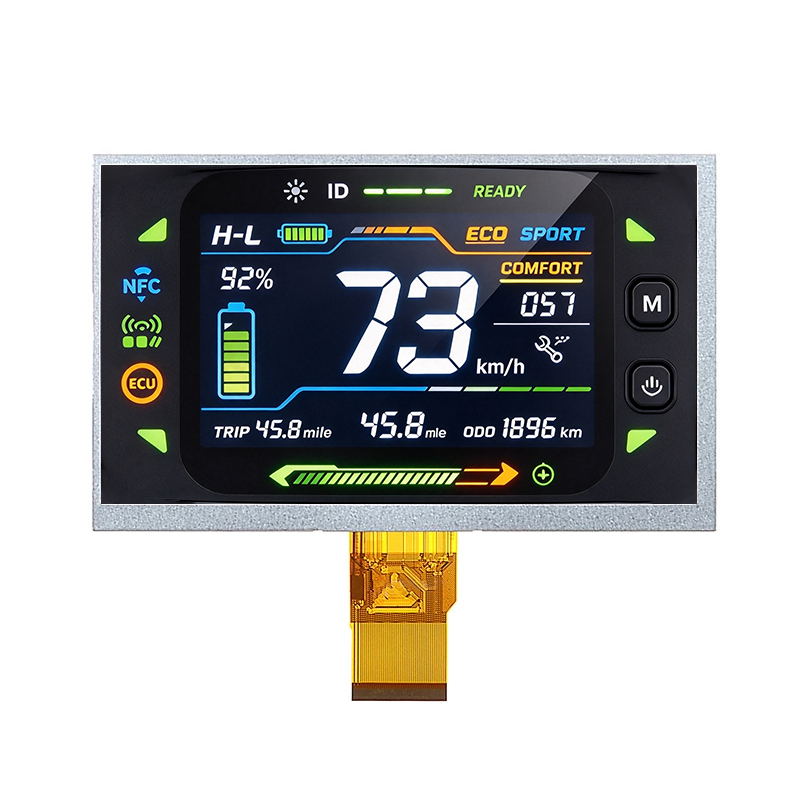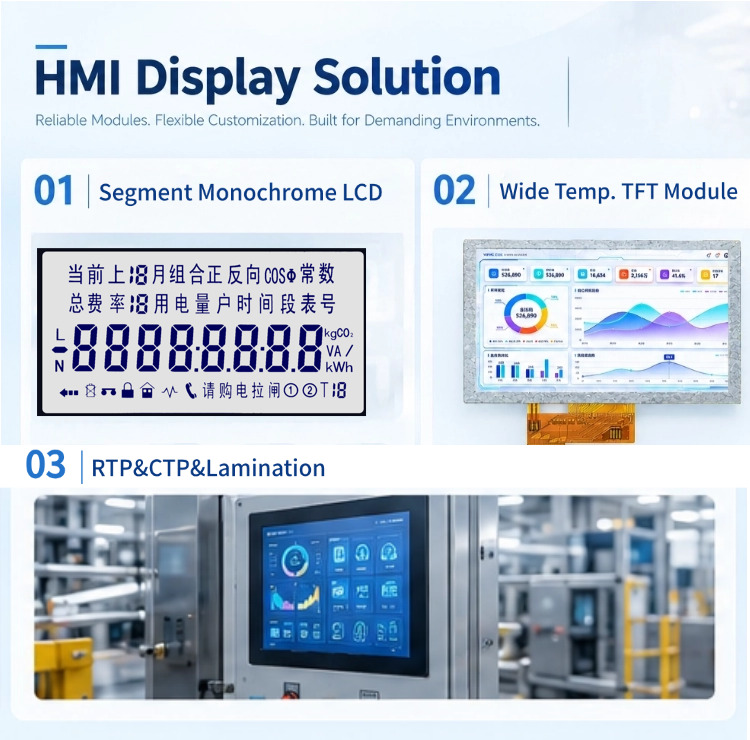
Driven by the booming new‑energy infrastructure and industrial IoT, EV charging piles, power convergence terminals and industrial weighing scales are widely deployed in open‑air stations and remote factories. Exposed year‑round to sunlight, frost, heavy humidity and electrostatic surges, these devices impose far stricter requirements on display components than indoor equipment. Many OEMs encounter field‑failure issues: modules that pass lab specifications suffer cold‑weather ghosting, screen damage under high‑temperature‑humidity conditions, or blackouts caused by electrostatic interference. Featuring low power consumption, superior weather resistance and cost‑effectiveness, wide‑temperature monochrome dot‑matrix LCDs have become a practical display solution for outdoor industrial terminals.
Hidden Display‑Failure Risks in Outdoor Industrial Settings
Most outdoor‑display malfunctions stem from performance degradation induced by environmental stress rather than permanent hardware damage. In frigid winters, conventional liquid‑crystal molecules lose activity, resulting in slow response and abnormal grey‑scale performance. Under summer solar radiation, internal enclosure temperatures surge; combined with condensation in humid regions, electrode corrosion may occur. Complicated electromagnetic fields at charging‑pile and power‑equipment sites can trigger screen garbling or system crashes from ESD and group‑pulse interference.
While color TFT delivers vivid visuals, its high power consumption makes it unfavorable for battery‑assisted outdoor devices. Commercially available general‑purpose industrial dot‑matrix panels are mostly designed for indoor environments and only meet ideal lab criteria, revealing reliability flaws under real‑world outdoor conditions. Overseas industrial projects further demand traceable reliability reports and consistent batch performance, which price‑oriented suppliers struggle to deliver.
OEM priorities have shifted beyond datasheet parameters. Manufacturers now value suppliers capable of product development oriented toward end‑use field conditions, alongside full‑scale validation and stable mass‑production capabilities.
Application‑Driven Design: Targeted Technical Optimization for Outdoor Scenarios
Contrary to conventional display‑product development, TOPTE designs dot‑matrix LCDs for charging piles, convergence terminals and weighing equipment based on real‑world outdoor operating conditions, instead of merely standard lab parameters.
HTN/FSTN wide‑temperature liquid‑crystal formulations are adopted to achieve a full operating range of ‑40 ℃ to +85 ℃, with optimized cold‑temperature response and anti‑hydrolysis performance. ±5 μm‑precision COG bonding mitigates poor contact caused by temperature variation. The whole workflow including glass cutting, cell filling, bonding and module assembly is completed in‑house.
Beyond standard test items, combined validation covering temperature cycling, damp‑heat aging, ESD and group‑pulse interference simulates harsh conditions such as northern winters, southern humid seasons and open‑air exposure, intercepting potential risks prior to shipment. Supported by an in‑house comprehensive laboratory, TOPTE provides fully traceable test reports to satisfy industrial‑project compliance requirements for global customers.
Differentiated Delivery for Diverse Terminal Requirements
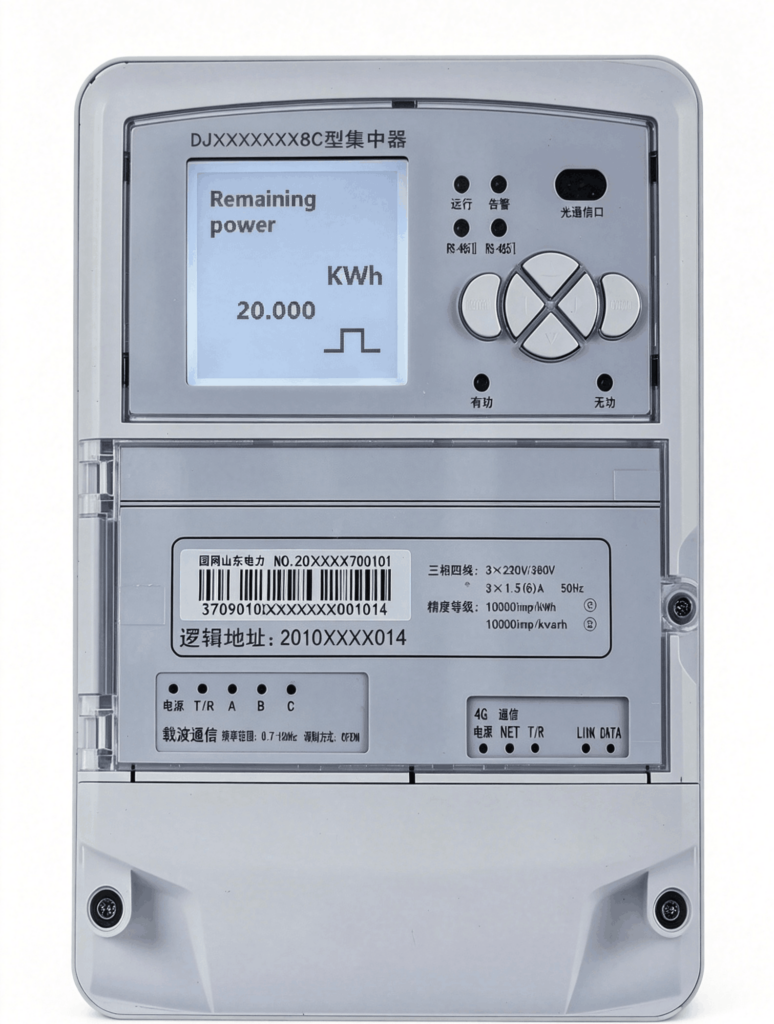
Customer requirements vary significantly across outdoor‑equipment manufacturers. Standardized power‑industry convergence‑terminal projects demand stable high‑volume supply, which is well‑met by TOPTE’s proven 160×160 and 208×80 dot‑matrix LCMs.
Manufacturers of charging piles and weighing scales pursue fast iteration and often require customized viewing angles, backlight units and interfaces. TOPTE offers flexible deliverables ranging from bare panels to integrated LCMs, supporting both mass production and small‑batch sampling without unnecessary cost increases. For export‑oriented industrial‑equipment makers, the Group’s overseas branches facilitate sample logistics and technical support to fulfill compliance documentation needs for international projects.

Customer‑Centric Value: Mitigate Field‑Failure Risks, Not Merely Supply Displays
For industrial equipment manufacturers, on‑site display malfunctions of outdoor devices incur far‑reaching costs for field maintenance and product returns, which greatly exceed the procurement cost of the display module itself. More than simply supplying display panels, TOPTE embeds real‑world operating‑condition validation into every phase of R&D and manufacturing, helping customers reduce and avoid equipment failure risks after field deployment.
Going forward, demand for outdoor industrial terminals will continue to rise amid ongoing global new‑energy‑infrastructure development. TOPTE will keep iterating dot‑matrix display solutions tailored for harsh outdoor environments, further enhancing wide‑temperature, anti‑interference and damp‑heat‑resistant performance. We look forward to collaborating with partners from the charging‑pile, power and weighing‑equipment industries to address display‑system challenges for global outdoor industrial applications.